

Prepare Your Car for Winter: A Complete Canadian Guide
September 30 2026,
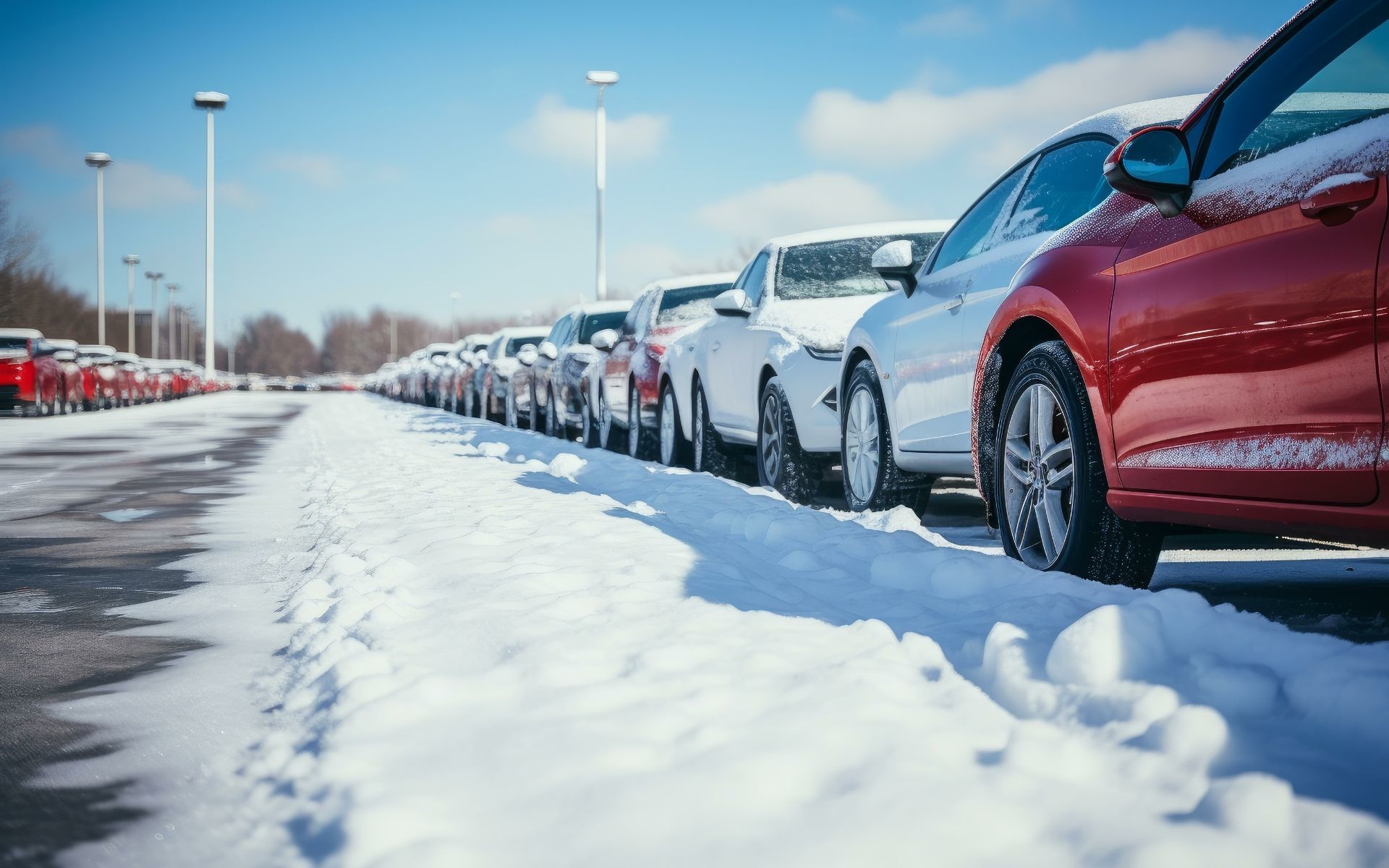
Canadian winters can be tough on both drivers and vehicles. Depending on where you live, winter may bring heavy snow, freezing rain, icy roads, extreme cold, strong winds, or rapidly changing road conditions.
Getting your car ready before winter arrives can make daily driving more comfortable and help you deal with unexpected conditions. From choosing the right tires to checking your battery, brakes, fluids, and emergency supplies, a little preparation can make a significant difference.
Whether you're commuting across the city, travelling between provinces, or heading out on a winter road trip, these practical steps can help prepare your vehicle for Canada's colder months.
Start With the Right Winter Tires
Tires should be one of the first things you consider when preparing your vehicle for winter.
Acura Canada explains that winter tires are engineered to remain flexible below 7°C, helping provide traction on cold, wet, icy, and snowy roads. The manufacturer also recommends using winter tires on all four wheels rather than installing them only on the front or rear axle.
Transport Canada also recommends checking tire pressure regularly and ensuring your winter tires have sufficient tread depth. Its winter-vehicle guidance recommends at least 4 mm of tread depth for winter driving.
Remember that winter-tire requirements can differ between provinces and territories. Quebec, for example, has specific winter-tire requirements, while other jurisdictions may have different rules or recommendations.
Before installation, inspect your tires for:
- Uneven tread wear
- Cracks or sidewall damage
- Correct size and load rating
- Adequate tread depth
- Proper inflation
- Appropriate winter certification
Don't wait until the first major snowfall to make an appointment. Winter tire demand can increase quickly once temperatures begin to fall.
Check Tire Pressure as Temperatures Drop

Cold temperatures can affect tire pressure, which is why checking your tires should become part of your winter routine.
Use the recommended pressure listed on your vehicle's tire information label or in the owner's manual rather than relying on the number printed on the tire itself.
Correct inflation helps maintain predictable handling and supports proper tire wear. It can also help maintain fuel efficiency.
Check the pressure when the tires are cold, particularly after a significant temperature change. It's also worth checking before a long winter road trip.
Give Your Battery Some Attention
A weak battery may become a much bigger problem when temperatures fall.
Cold weather can make starting an engine more demanding, so a battery that is already nearing the end of its useful life may struggle when temperatures drop significantly.
Transport Canada recommends having the battery and charging system checked as part of winter preparation. A winter inspection can identify a weak battery before it leaves you stranded.
If you've noticed slower-than-normal starting, dimming lights, or other electrical symptoms, don't wait until the coldest day of the year to investigate them.
Electric and hybrid vehicles have their own cold-weather considerations as well. Owners should follow the manufacturer's recommendations for winter operation, charging, and battery care.
Make Sure Your Brakes Are Ready

Snow and ice can already make stopping more difficult. A braking system that needs maintenance can make winter driving even more challenging.
Have the brakes inspected if you notice:
- Grinding or unusual squealing
- Vibration while braking
- Pulling to one side
- Changes in brake-pedal feel
- Unusual stopping behaviour
Transport Canada recommends a thorough brake check as part of winter vehicle preparation.
Good brakes don't eliminate the risks of slippery roads, but they help ensure your vehicle's braking system is working as intended when you need it.
Don't Ignore Your Wipers and Washer Fluid
Visibility can deteriorate quickly during a Canadian winter.
Snow, road salt, slush, freezing rain, and spray from other vehicles can cover your windshield within seconds. Worn wiper blades can make the problem worse by leaving streaks or failing to clear the glass properly.
Transport Canada recommends checking the wipers, replacing blades that streak, and using winter washer fluid rated to approximately -40°C. Carrying an extra container in the vehicle is also recommended.
Before driving, clear snow and ice from the entire vehicle. That includes the windshield, side windows, mirrors, headlights, taillights, roof, hood, and trunk.
A clean roof is particularly important because accumulated snow can slide forward onto the windshield during braking or blow onto other vehicles.
Check the Cooling System and Fluids
Your vehicle's cooling system remains important during winter, even though the weather is cold.
Transport Canada recommends checking the coolant or antifreeze level and strength, along with the radiator, hoses, water pump, thermostat, heater, and defroster.
Your regular maintenance schedule should also be up to date. Follow the manufacturer's recommended service intervals and check your owner's manual for vehicle-specific requirements.
This is particularly important before a long winter trip. A vehicle that is running properly before leaving is less likely to develop an avoidable maintenance issue along the way.
Inspect Your Lights
Winter brings shorter days, longer periods of darkness, snowstorms, and reduced visibility.
Check that your:
- Headlights
- High beams
- Brake lights
- Turn signals
- Hazard lights
- Taillights
- Fog lights, where equipped
are working properly.
Transport Canada recommends checking that all lights function correctly and that headlights are properly positioned.
Keeping exterior lights clean is equally important. Road salt and slush can quickly cover them, reducing how well other drivers can see you.
Check Your Wipers, Defrosters and Heating System
A working heating and defrosting system is more than a comfort feature in winter.
Your defroster helps clear condensation and frost from the glass, while the heating system helps keep passengers comfortable during cold-weather travel.
Before winter arrives, make sure the heater and defroster are functioning properly. Transport Canada includes both in its recommended winter inspection.
If your windshield takes unusually long to clear or the cabin isn't warming properly, have the system checked before temperatures become severe.
Keep an Emergency Kit in Your Vehicle
Even a well-maintained vehicle can encounter unexpected conditions.
Transport Canada recommends carrying winter supplies such as a shovel, traction material, booster cables, extra clothing, gloves, food, water, blankets, a flashlight, first-aid supplies, and extra windshield washer fluid.
The Government of Canada also recommends keeping an emergency car kit with items such as food, water, blankets, extra clothing, a first-aid kit, a snow brush, scraper, shovel, jumper cables, and warning equipment.
A practical winter kit can include:
- Snow brush and ice scraper
- Small shovel
- Booster cables
- Flashlight
- Blanket
- Warm gloves and extra clothing
- First-aid kit
- Bottled water
- Non-perishable snacks
- Portable phone charger
- Extra washer fluid
- Sand or other suitable traction material
- Warning triangles or other visibility equipment
You may never need most of these items. That's exactly why it's better to have them packed before you need them.
Check Your Vehicle's Driver-Assistance Systems
Modern vehicles can have cameras, radar sensors, parking sensors, and other systems that support the driver.
Winter weather can interfere with some of these technologies. Transport Canada specifically warns that snow and ice can affect driver-assistance systems and that they may not function properly in certain winter conditions.
Keep cameras and sensors clear of snow, ice, and road grime. If a warning appears on the dashboard, follow the instructions in your owner's manual.
Most importantly, don't rely on driver-assistance technology to compensate for poor visibility, slippery roads, or unsafe speeds.
Prepare Your Car for Long Winter Trips
A winter commute and a winter highway trip require different levels of preparation.
Before travelling a long distance, check the weather and road conditions. Transport Canada recommends using available weather and traveller information to plan around severe conditions when possible.
If a major storm is expected, consider whether the trip can be delayed.
For necessary travel, allow extra time and make sure the vehicle has enough fuel or charge for the journey. Carry your winter emergency supplies and let someone know your travel plans if you're heading into remote areas.
For EV drivers, cold weather can affect driving range. Plan charging stops with the expected weather and route in mind rather than relying solely on the vehicle's usual range.
Keep Your Vehicle Clean During Winter
Winter road salt, sand, slush, and grime can accumulate on your vehicle.
Regular washing can help remove salt and road debris from the exterior and underbody. Pay particular attention to wheel wells, lower body panels, lights, cameras, and sensors.
Keeping these areas clean is useful for both appearance and functionality.
Acura Canada also recommends using Genuine Acura Parts and trained technicians when repairs or replacement parts are required.
Drive for the Conditions
Even the best-prepared vehicle cannot eliminate winter driving risks.
Slow down when roads are slippery, leave more following distance, and avoid sudden acceleration, braking, or steering inputs.
Transport Canada advises drivers to check conditions before travelling and to give themselves additional time in poor weather. It also warns that some driver-assistance technologies may not function as expected during severe winter conditions.
If you become stranded, stay with your vehicle when it is safe to do so, keep the exhaust pipe clear of snow, and use your emergency supplies.
Your Canadian Winter Vehicle Checklist
Before winter arrives, take a few minutes to check:
Tires: Winter tires installed on all four wheels, properly inflated, and inspected for tread and damage.
Battery: Battery and charging system checked, particularly if starting performance has changed.
Brakes: Pads, rotors, and braking performance inspected when necessary.
Fluids: Coolant, washer fluid, and other required fluids checked.
Visibility: Wipers, defroster, mirrors, windows, headlights, and other lights working properly.
Emergency supplies: Winter kit, shovel, scraper, booster cables, blankets, food, water, and other essential equipment packed.
Maintenance: Manufacturer-recommended service completed or scheduled.
Technology: Cameras and sensors clean and driver-assistance systems understood.
Trip planning: Weather and road conditions checked before longer journeys.
Get Your Vehicle Ready for Winter at Markham Acura
Canadian winters can be unpredictable, but your vehicle preparation doesn't have to be.
Whether you need a winter inspection, tire service, maintenance, or genuine Acura parts, Markham Acura can help you prepare your vehicle for the season ahead. Visit the dealership to have your vehicle checked and make sure you're ready for the cold, snow, ice, and changing road conditions that come with Canadian winter driving.

